SV88
SV88 Đăng Ký SV88
 Tải App SV88
 Hướng Dẫn
 Khuyến Mãi
 Blog Game
Game Hot




SV88 – Trang chủ nhà cái SV88 mới nhất 2024
Sau gần một thập kỷ ra mắt, SV88 đã xây dựng được thương hiệu cá cược trực tuyến chất lượng. Nhà cái mang đến anh em một sân chơi an toàn, công bằng với nhiều dịch vụ giải trí mãn nhãn. Bet thủ chỉ cần tạo tài khoản chính chủ và bỏ ra một khoản vốn nhỏ có thể thu lại lợi nhuận cực lớn. Thông tin chi tiết về trang web chúng ta hãy tìm hiểu rõ hơn qua chia sẻ sau đây.
Link vào trang chủ SV88
Tình trạng không tìm thấy link vào đang diễn ra khá phổ biến tại các hệ thống cá cược trực tuyến do một số nguyên nhân như:
- Nhà mạng trong nước chặn truy cập hoặc đánh sập link dẫn tới trang chủ.
- Sự cạnh tranh không lành mạnh của đối thủ tạo nên các đường link giả mạo, khi click vào sẽ chuyển hướng sang trang khác.
- Nhà cái tiến hành bảo trì nên không thể vào trang chủ chơi game ngay.
Để khắc phục triệt để khó khăn cho người chơi, SV88 luôn cung cấp nhiều server phụ. Nếu đường dẫn chính gặp trục trặc hoặc không tìm thấy, khách hàng có thể lấy link mới tại đây:…
Ngoài ra, SV88 còn hỗ trợ bet thủ lấy link tải tham gia cá cược nhanh chóng, không bị gián đoạn qua một số cách như:
- Lưu sẵn các server phụ trên website Trong trường hợp link chính bị hỏng chỉ cần copy đường link cho sẵn vào trình duyệt web sẽ được chuyển hướng tới trang chủ an toàn ngay.
- Liên hệ với bộ phận CSKH qua email, hotline hoặc các fanpage độc quyền trên Facebook, Telegram. Sẽ có nhân viên hỗ trợ 24/7 giúp anh em lấy link vào mới nhanh chóng.
- Vào các website đại lý độc quyền của nhà cái luôn cập nhật đầy đủ link tải mới nhất.
- Tìm kiếm link vào trên các nền tảng tìm kiếm như Google, Chrome, Firefox,.. Sau đó truy cập những trang đầu tiên sau khi được trả kết quả sẽ đảm bảo độ an toàn, chuẩn xác cao.
Giới thiệu nhà cái SV88
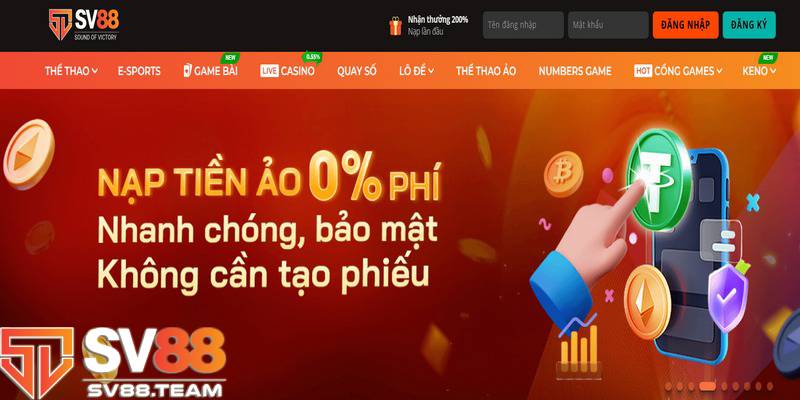
Nhà cái chính thức ra mắt thị trường giải trí châu Á vào giữa năm 2015 với đầy đủ giấy phép kinh doanh cá cược hợp lệ từ Isle of Man. Đây là lợi thế quan trọng giúp hệ thống nhanh chóng chinh phục trái tim bet thủ ở nhiều quốc gia khác nhau. Tại đây, anh em có thể tìm thấy đầy đủ các dịch vụ hot nhất để thỏa mãn đam mê. Ví dụ như cược Thể thao, Casino, Lô đề, Xổ số, Đá gà,… luôn được hoàn trả rất hấp dẫn.
SV88 hiện đang đặt trụ sở chính tại Anh và chịu sự quản lý chặt chẽ về các hoạt động cá cược bởi chính quyền Philippines. Khi tham gia nhà cái, người chơi sẽ được cung cấp đầy đủ thông tin liên hệ, chính sách liên quan để bảo vệ tốt nhất lợi ích cá nhân. Website cũng tạo điều kiện tối đa cho chúng ta kiếm thưởng thông qua kho ưu đãi khủng và nhiều tỷ lệ cược đặc sắc.
Đặc biệt, các vấn đề như bảo mật thông tin cá nhân, an toàn cho giao dịch rút tiền, xử lý sự cố khi cá cược,… luôn được SV88 chú trọng phát triển. Anh em có thể trút bỏ hoàn toàn mọi nỗi lo về gian lận, trục lợi, lừa đảo để tập trung toàn bộ thời gian tham gia giải trí tại hệ thống. Nếu tích cực nạp vốn, chốt kèo và gắn bó lâu dài, nhà cái còn tặng thêm cho chúng ta nhiều khoản chiết khấu từ doanh thu hàng ngày siêu giá trị.
Sản phẩm giải trí SV88 đa dạng
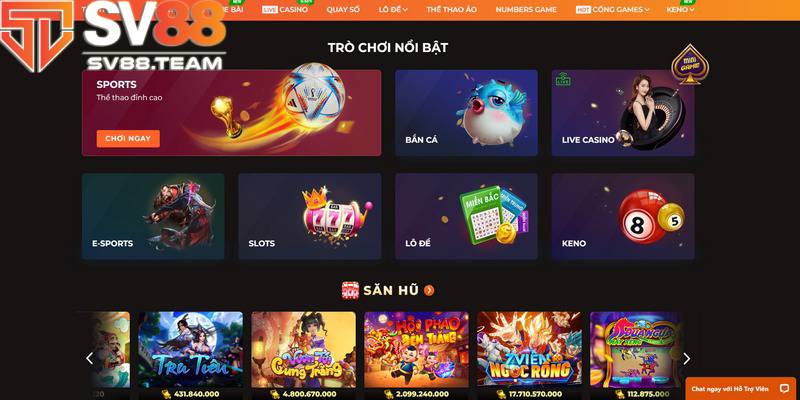
Sở hữu kho game chất lượng luôn là thế mạnh số 1 giúp nhà cái chinh phục mọi người chơi. Tại trang chủ không thiếu các bom tấn giải trí đẳng cấp đang tạo nên cơn sốt trên thị trường cho anh em khám phá. Một số gợi ý tuyệt vời sau đây hứa hẹn sẽ mang tới chúng ta những cuộc vui mãn nhãn nhất.
Casino
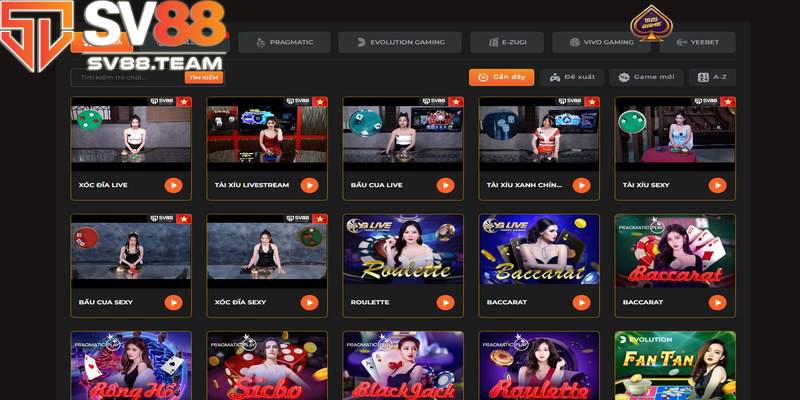
Casino SV88 mang tới nhiều sảnh đánh bạc trực tuyến chất lượng. Người chơi có thể chọn trải nghiệm theo NPH mình yêu thích như Pragmatic, Evolution, E-ZUGI, VIVI, YEEBET,.. để nhận nhiều ưu đãi đặc biệt. Ngoài trò chơi dạng truyền thống quen thuộc như Xóc đĩa, Tài xỉu, Bầu cua, Roulette, Baccarat,… thì gameshow truyền hình cũng mang tới vô số điều mới mẻ khiến anh em không thể rời mắt.
Nổ hũ – Bắn cá
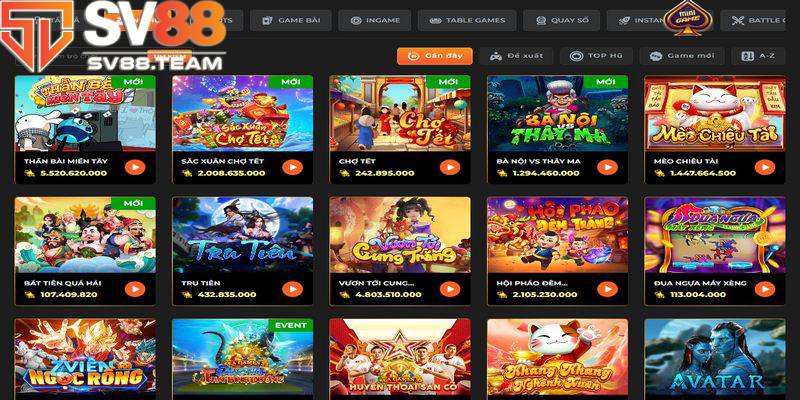
Bộ đôi Nổ hũ – Bắn cá SV88 dễ dàng giúp người chơi kiếm thưởng không giới hạn. Đây đều là dòng game hot cực ăn khách tại nhà cái. Với hơn 100 game cược đặc sắc khác nhau tạo nên đa dạng lựa chọn giải trí cho khách hàng cân nhắc. Đặc biệt hệ thống còn dành rất nhiều khuyến mãi hoàn trả thẻ nạp, chiết khấu doanh thu,… cho những ai tham gia thường xuyên để x2 cơ hội làm giàu ngay.
Đã ghé qua Nổ hũ – Bắn cá, anh em hãy thử sức ngay với top game đình đám được yêu thích nhất hiện nay như:
- Đại hải trình
- Vua bắn cá
- Tam tiên bắn cá
- Bắn cá Oneshot
- Bắn cá Bingo
- Thần bài miền Tây
- Mèo chiêu tài
- Tru tiên
- 7 viên ngọc rồng
Thể thao
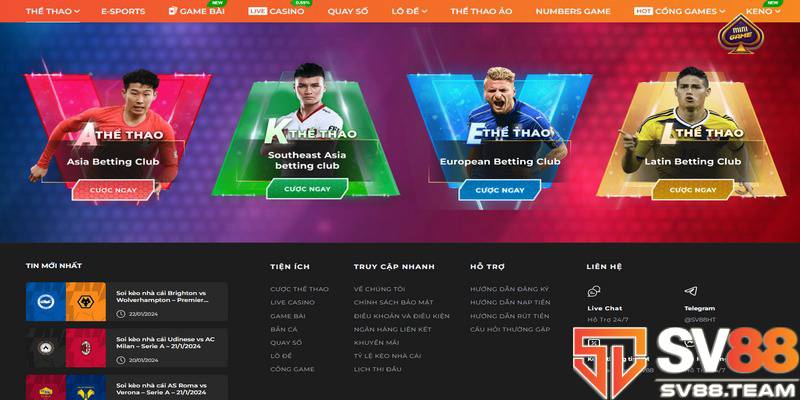
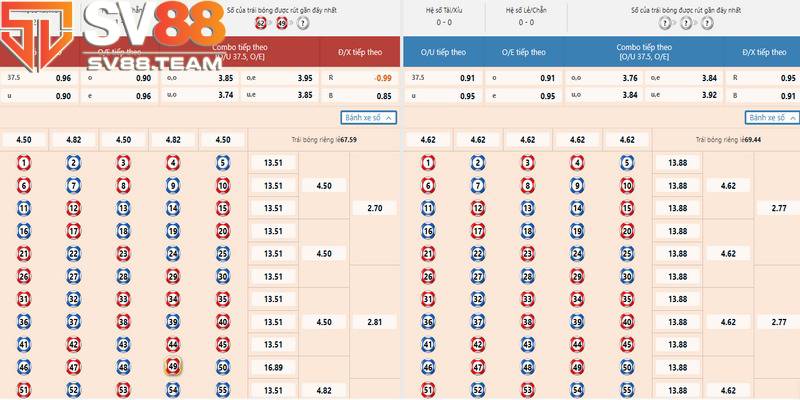
Thể thao được SV88 ưu ái 4 sảnh chơi đặc sắc quy tụ hàng ngàn sự kiện thú vị đi kèm tổ chức các bảng cược hoàn trả hấp dẫn mỗi ngày. Anh em dễ dàng chốt nhiều kèo bóng đá, bóng rổ, quần vợt, bóng chuyền, tennis, đua ngựa,… cực hay và nhận thanh toán thưởng nhanh chóng.
Game bài
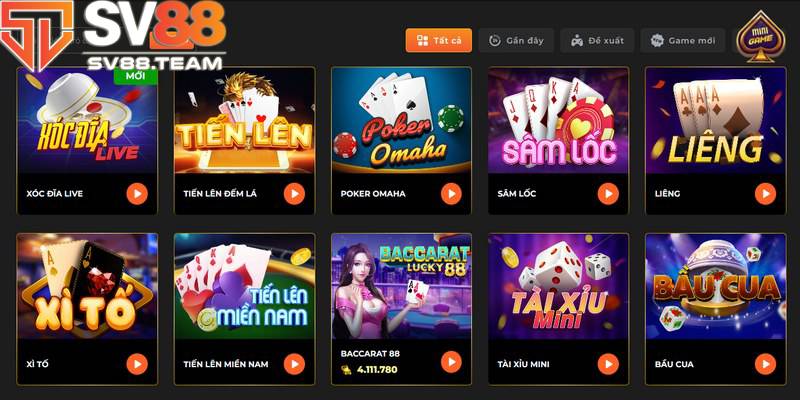
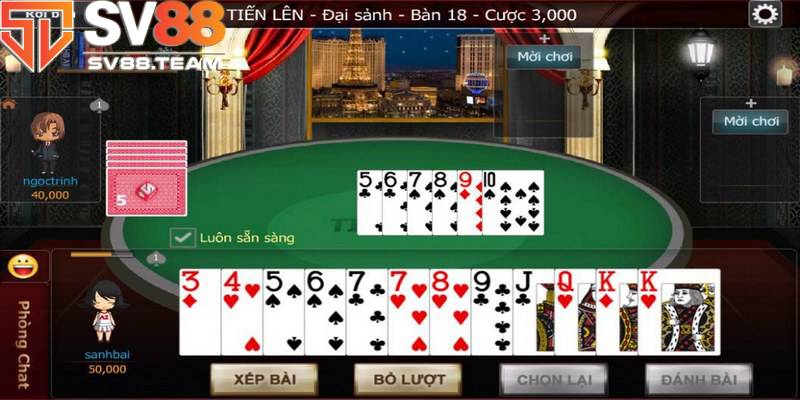
Đến với SV88 anh em không thể bỏ lỡ các sảnh Game bài đẳng cấp. Chỉ một thao tác chuột sẽ đưa chúng ta đến với thế giới giải trí đỉnh cao với hàng loạt gợi ý giải trí thú vị được đồ họa 3D bắt mắt như:
Điểm đặc biệt của Game bài SV88 là thiết kế đa dạng bàn cược với các mức bỏ vốn khác nhau. Người chơi dễ dàng cân nhắc bỏ vốn theo khả năng tài chính và không cần chờ đợi lâu vào khung giờ cao điểm. Anh em còn được phép tố thêm để nhận mức thưởng cao hơn trong ván khi giành chiến thắng.
Đá gà
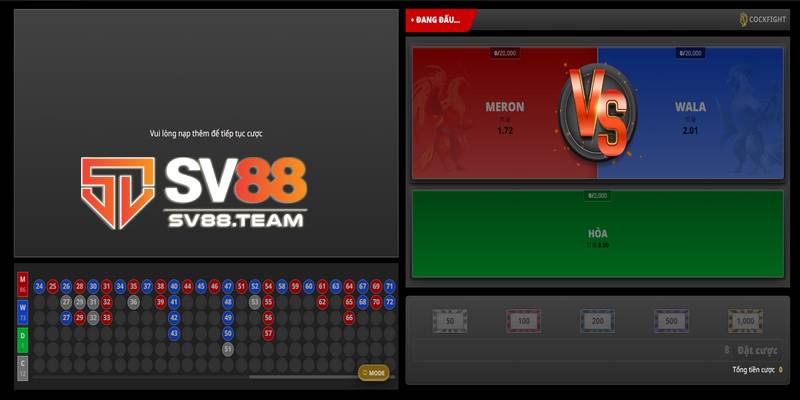
Đá gà SV88 luôn tường thuật trực tiếp các trận cược hấp dẫn nhất tại trường đấu Thomo. Bet thủ có thể chọn nhiều loại hình giải trí khác nhau như cựa sắt, cựa dao, đá gà nòi truyền thống,… để tham gia dự đoán kết quả. Tùy vào tính chất và độ hot của mỗi màn tranh tài, nhà cái sẽ đưa ra mức thưởng thắng riêng giúp anh em không cảm thấy nhàm chán.
Xổ số
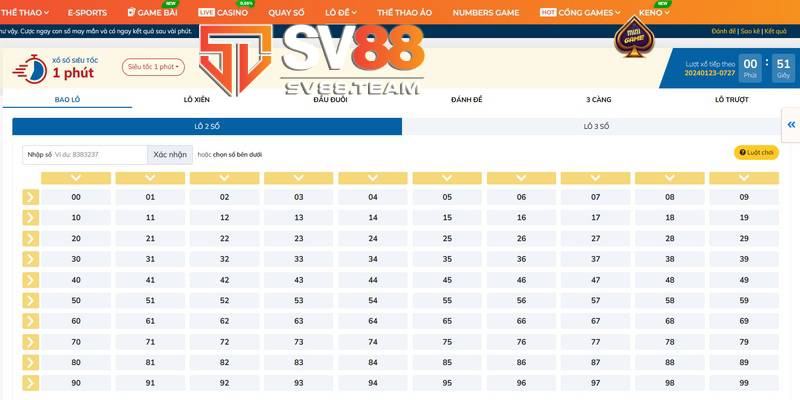
SV88 cũng là thiên đường quay số trúng thưởng thực thụ cho nhiều người chơi. Anh em nào đam mê soi cầu XSKT nhất định phải chốt ngay bao lô, lô xiên, đầu đuôi, đề, 3 càng,.. tại hệ thống. Tối đa mỗi vé cược thắng sẽ giúp chúng ta kiếm được tiền lời gấp 900 lần khoản vốn đã bỏ ra.
Ngoài ra, khi đặt cược Xổ số bet thủ không cần chờ đợi lâu để biết bạch thủ mình chốt trúng hay trượt dựa vào kết quả của các nhà đài. Bởi vì SV88 đã ra mắt thêm hình thức chốt siêu tốc với mỗi lượt trả kết quả diễn ra trong vòng 1 phút. Hệ thống sẽ dùng thuật toán ngẫu nhiên giúp tìm ra những con số may mắn nhất. Qua đó không giới hạn lần chơi và tiền thắng anh em có thể nhận về.
Đánh giá về SV88
Mặc dù chưa thành lập quá lâu nhưng nhà cái đã nhanh chóng xây dựng cho mình nhiều lợi thế nổi trội để dễ dàng đọ sức với các ông lớn trên thị trường. Đó là lý do thôi thúc không ít bet thủ lựa chọn bỏ vốn tận hưởng dịch vụ giải trí tuyệt vời hệ thống đang cung cấp. Nếu tham gia cá cược tại website, anh em dễ dàng nhận thấy những ưu thế nổi trội như sau:
Giao diện hiện đại
Giao diện cá cược được SV88 đầu tư rất chỉn chu, kỹ lưỡng. Bất kể chúng ta chơi qua App hay bản web vẫn cảm nhận rõ sự mượt mà, mãn nhãn với đồ họa 3D thiết kế ấn tượng. Các chuyên mục giải trí bố trí khoa học, rất dễ tìm kiếm và thao tác. Không khó để người mới nhập cuộc nhanh chóng giúp sớm khám phá ra những cơ hội đổi đời thực thụ.
Nhiều khuyến mãi đặc sắc nhất thị trường
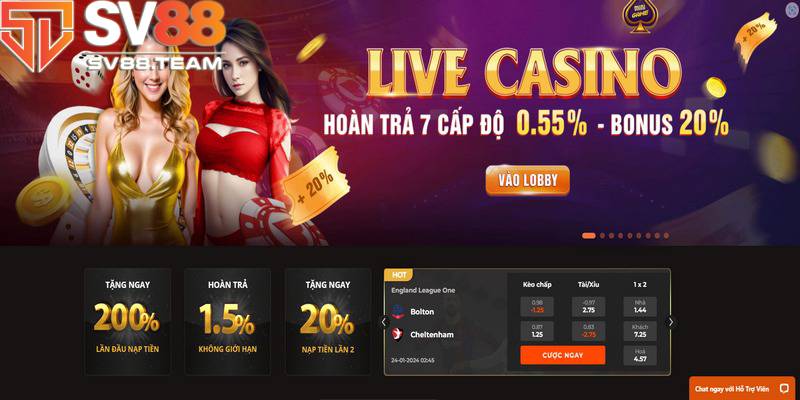
Độ chịu chi và chiều lòng khách hàng của SV88 thể hiện rõ nhất qua kho ưu đãi cực khủng. Rất nhiều chương trình hoàn trả lớn với mức chiết khấu siêu hấp dẫn đang chờ đợi anh em khám phá như:
- Thưởng 100% thẻ nạp lần đầu cho hội viên đăng ký mới nhận tối đa tới 5.000.000 VNĐ.
- Hoàn trả tới 1.5% tiền cược không giới hạn khi tham gia chơi các game Thể thao và Quay số. Lô đề.
- Thưởng nạp lần 2 tới 20% tối đa 20.000.000 VNĐ.
- Nhận thêm 110% tiền thưởng khi đặt cược trong các trò Thể thao, Thể thao ảo, Keno, Number Game, Lô đề, Quay số.
Thông tin khách hàng tuyệt đối được bảo đảm an toàn
Bảo mật thông tin là vấn đề sống còn của các nhà cái trực tuyến. Để người chơi yên tâm tham gia cá cược, SV88 đã ra mắt hệ thống lưu trữ dữ liệu an toàn sử dụng công nghệ hiện đại nhất SSL 128 bit. Anh em không còn lo lắng khi tạo tài khoản hoặc giao dịch qua hệ thống sẽ bị kẻ xấu đánh cắp các nội dung quan trọng dẫn đến phát sinh rủi ro.
Ngoài ra, SV88 cũng cam kết chỉ sử dụng thông tin cá nhân khách hàng cung cấp vào mục đích quản lý và bảo vệ tài khoản. Nếu phát hiện các hoạt động bất thường, nhà cái sẽ can thiệp ngay. Chưa bao giờ website để xảy ra tình trạng bet thủ bị đánh cắp dữ liệu quan trọng hay rút tiền bất hợp pháp từ tài khoản game.

Chăm sóc khách hàng tận tâm
Làm tốt dịch vụ CSKH chính là điểm cộng lớn giúp SV88 chiếm giữ vị trí quan trọng trong lòng nhiều bet thủ. Quá trình cá cược của anh em luôn có sự đồng hành, hỗ trợ kịp thời từ nhà cái. Mọi thắc mắc, khó khăn chúng ta gặp phải sẽ được xử lý triệt để nhằm mang tới sự hài lòng nhất. Qua đó giúp người chơi tận hưởng cảm giác thoải mái, an tâm tuyệt đối để sớm tìm thấy vận may đổi đời cho mình.

Cách chơi cá cược an toàn tại SV88
Mang tới không gian giải trí bình đẳng, công bằng là mục tiêu số 1 của nhà cái. Vì thế hệ thống luôn kiểm soát rất kỹ mọi hoạt động cá cược của người chơi. Anh em muốn tham gia chốt kèo an toàn và nhận thưởng đầy đủ cần chú ý như sau:
- Nạp tiền đầy đủ vào ví game để đáp ứng mức cược tối thiểu trong mỗi trò chơi mới có thể được hỗ trợ vào bàn nhanh chóng.
- Tìm hiểu kỹ quy định trong từng trò chơi của mỗi NPH để tránh nhầm lẫn, phát sinh tranh chấp.
- Hoàn tất việc chọn mức chip, cửa cược và thanh toán trong thời gian hợp lệ.
- Không chốt các vé cược đối lập về kết quả dẫn đến gây nhầm lẫn cho SV88 khi tiến hành trả thưởng.
- Không dùng các phần mềm hack thông tin hoặc thay đổi kết quả trả thưởng khi tham gia cá cược.
- Không thoát ván giữa chừng khi hệ thống chưa chốt xong kết quả cuối cùng.
Một số câu hỏi về nhà cái uy tín SV88
Không phải ai mới tham gia cá cược cũng nắm bắt được trọn vẹn các thông tin về hệ thống. Vì thế việc người chơi phát sinh các thắc mắc là điều dễ hiểu. Bài viết đã tập hợp lại một số câu hỏi phổ biến kèm lời giải đáp chi tiết cho anh em tham khảo như sau:
SV88 lừa đảo, thực hư thông tin?
Trong suốt 8 năm hoạt động, nhà cái vẫn luôn dẫn đầu top sân chơi uy tín nhận được đánh giá tích cực từ khách hàng. Thông tin SV88 lừa đảo chủ yếu đến từ hành động chọc phá nhằm hạ bệ uy tín của các đối thủ cạnh tranh không lành mạnh. Hoặc một số website giả mạo hoạt động hệ thống để đánh cắp thông tin, gây ra rủi ro cho anh em.
Vì thế, bet thủ nên tìm hiểu thông tin từ các nguồn chính thống, đáng tin cậy. Ngoài ra khi vào trang chủ chơi game cần tìm đúng link tải an toàn để hạn chế tình trạng bị lừa đảo.

SV88 có bảo vệ người chơi hay không?
Nhà cái luôn đưa ra các chính sách và cam kết rõ ràng để bảo vệ lợi ích hợp pháp cho khách hàng. Chỉ cần người chơi tuân thủ đúng quy định chung, không gian lận, trục lợi khi cá cược hoặc kịp thời liên hệ với CSKH sẽ được hỗ trợ xử lý khó khăn triệt để, nhanh chóng.

Lời kết
Như vậy, những thông tin cơ bản nhất về SV88 đã được chia sẻ tới người chơi. Qua đó giúp tân thủ có được đánh giá khách quan về các dịch vụ giải trí lẫn chất lượng cá cược hệ thống đang cung cấp. Nếu lựa chọn đầu tư vào hệ thống, chắc chắn chúng ta sẽ sớm nhận lại nhiều lợi ích tuyệt vời cùng cơ hội kiếm thưởng không giới hạn.